Rayland Baxter – The True Violet Tour
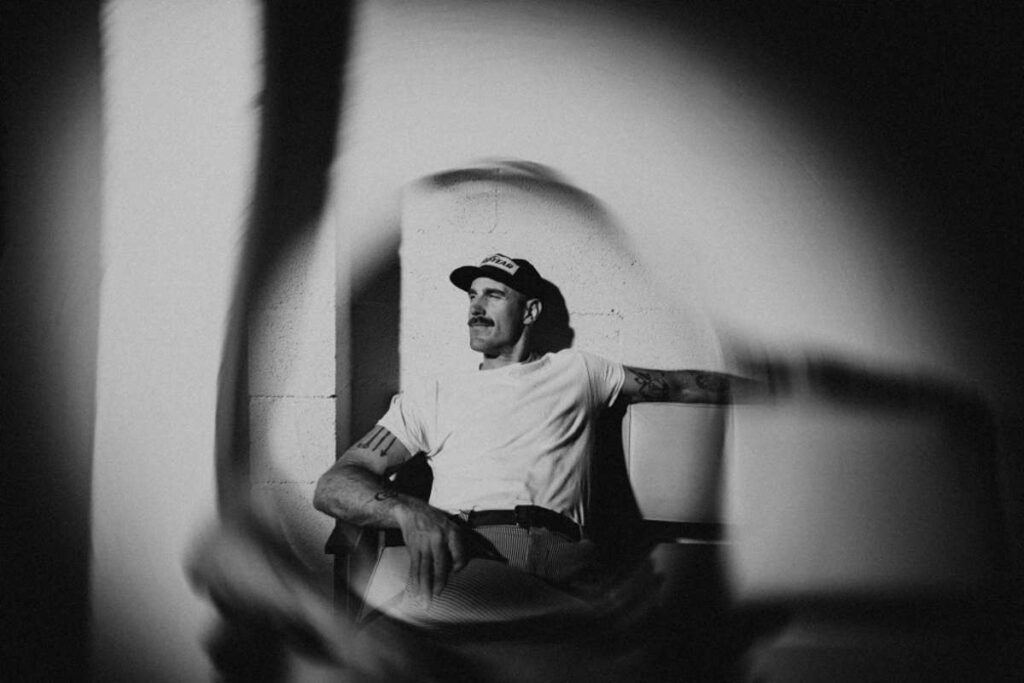
Rayland Baxter has spent much of his career chasing clarity, but his newest record, True Violet, feels like the first time he’s truly found it. His 2022 album If I Were A Butterfly evoked transformation, but in Baxter’s own view, True Violet is the record where the true metamorphosis has unfolded. Catalyzed less by a sudden realization than by hard-earned understanding, True Violet is a record about the slow, steady process of becoming someone new. It’s about looking in the mirror, taking responsibility for your own life, and sitting with difficult emotions instead of trying to outrun them. “I sat in my chair alone for a year and wrote a bunch of songs, and what started off as an attempt to write a record got sideswiped by mediocre attempts I wouldn’t even sing to my dog,” Baxter recalls. “Then, like many times over the last three years, I called my sister. We talked about life and family and love and heartache, and our individual experiences with all of that. She simply encouraged me to write about what I was feeling, something I was avoiding in the early stages of writing.” Rayland took his sister’s advice and began writing with a newfound vulnerability. He’d sit alone each evening with his guitar for hours, excavating experiences and emotions. If a lyric or melody didn’t click, he’d stop, walk around, dig up an old tour voice memo, and return to the guitar. Movies like Dances With Wolves and The Sandlot played in the background, their colors and landscapes bleeding into his creative psyche. By the time he entered the studio, he’d amassed nearly seventy songs. True Violet is the first Rayland Baxter record made without the presence of his father, Bucky Baxter, a multi-instrumentalist best known for his work with Bob Dylan and as a member of Steve Earle and The Dukes, whose musicianship and encouragement had shaped every previous chapter of his career. “He used to be my phone call, my confidant, my teacher, and my musical guide,” Baxter says. “He still is today, but he exists more in the invisible realm now, where feeling and intuition are how I experience his wisdom.” In the wake of that loss, Baxter’s sister became an essential presence in both his life and creative process. “Honestly, it was her encouragement that brought these songs to life,” he says. “She was actually bringing me back to life.” These days, Baxter has a steadier hand on the sails of his life, and you can hear it in his voice as he sings about living inside a feeling for too long and the hard-won relief of finally moving beyond it. “I was just letting it go,” Baxter says. “The right people were in the room bringing the songs to life. I was observing. Feeling for the first time really steady in the process.” True Violet is about what remains after the storm passes: the lessons, the scars, the gratitude, and the possibility of beginning again. The medicine of the record lies in the contrast between the hardship that inspired it and the clarity, patience, and community that finally brought it into focus. Website · Facebook · Instagram · TikTok · YouTube · Spotify
Aubory Bugg
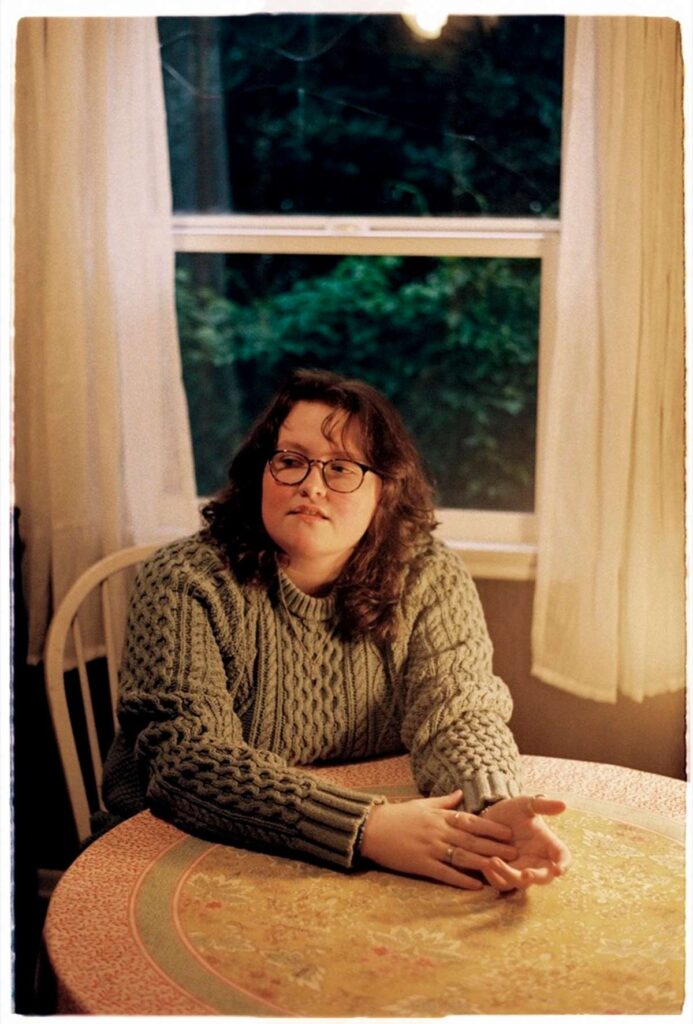
Growing up in a blue-collar steel-mill town in Illinois, Bugg once thought she might become a lawyer — but always knew her path would ultimately lead to music. In a household shaped by hard work and creativity, her father played drums in local bands and at family gatherings. She learned early that dreaming big only matters if you’re willing to put in the work to back it up. Whether it was her parents picking up extra jobs or bartering home repairs in exchange for piano lessons from a relative, this foundation instilled a lasting belief in Bugg: anything is possible, but no one’s going to do it for you. By 13, Bugg was already performing in local coffee houses, channeling her experiences into songs that felt both deeply personal and universally resonant. Growing up in a conservative, tight-knit town made that sense of belonging complicated — a tension that would later become central to her songwriting. Reflecting on that experience, Bugg shares: “Growing up queer in a town like that, you feel different before you even understand why. I wanted to fit in so badly, but at the same time I knew I wasn’t meant to stay — and I think that tension really shaped the way I write and how I see the world. My parents always told me anything you want is within reach, as long as you’re willing to work for it — and that stuck with me. Nobody’s going to do it for you. I think everything I make comes from that place of wanting to be as honest as possible about where I’m at, even when it’s uncomfortable.” In January 2024, she began posting a cover a day on TikTok, and her version of “Tummy Hurts” by Reneé Rapp quickly went viral (watch here), bringing in more than 110,000 new followers. Rather than stay in the cover lane, Bugg made a decisive shift to original music, steadily building a fanbase with a prolific output of songs that reflect her lived experience with striking clarity and intention. Now with more than 200K TikTok followers, a tour opening for Hey Nothing,, and her debut album in the works, Aubory is living her best life in Nashville, surrounded by a thriving community of artists and collaborators. The album captures a pivotal chapter for this exciting new artist — navigating identity, independence, and the emotional weight of leaving home. Website · Instagram · YouTube · TikTok
The Queen’s Giant, Pilot Light
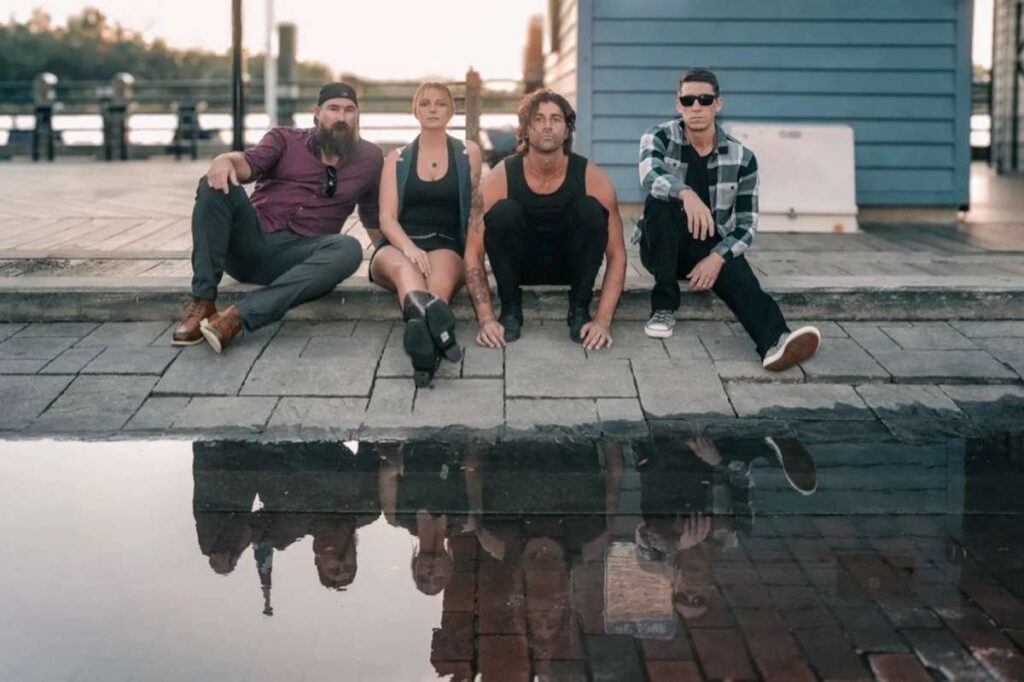
There used to be a bunch of ladi da bullshit on this page. But instead I erased it all and just want to say, we make cool music. We have gone through a few different forms, but we hope the people we are today allow us to still make cool music. That is all. If you’ve made it this far in the website then you’ve probably already heard or seen us, so Thank You. Do something cool today, like listen to our music. Godspeed. Brendon Jacobsen – Guitar, Vocals Zoey Jacobsen – Keys Austin Redwine – Bass Ken Hardy – Drums Website
No One Mind Record Release Show, Slow Teeth, Mind Over Mirrors
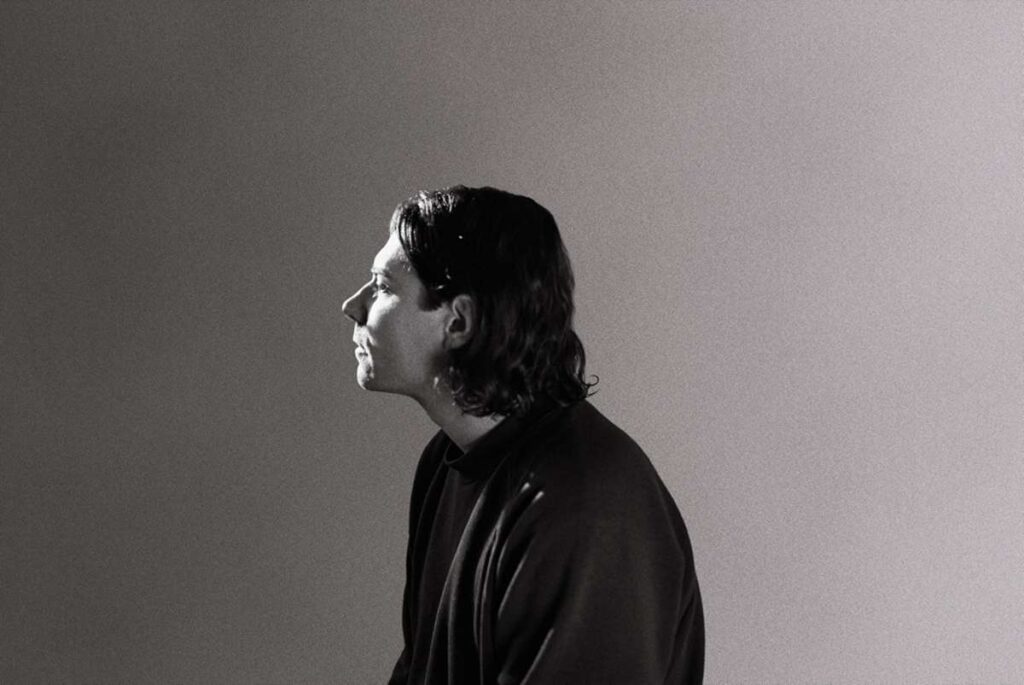
No One Mind Soft Work / Hard Dreams, the third full-length album from No One Mind (out October 9, Third Uncle Records), frames the tension between artistic ambition and the need for stability. Here, the songwriter’s primitive drive to express (“I’ve got love in my bones”) meets the coercive voice of their inner critic (“Maybe there’s nothing left to love”), responsibilities of traditional work, and a culture that devalues art-making as a legitimate form of self-support (“I’m only working on Friday night / To keep the dream alive”). Though vibrant and triumphant in sound and delivery, the record invites feelings of doubt, negative comparison, and unfulfilled aspirations lingering beneath the surface. What does it mean to feel satisfied as a musician? Is success defined by financial sustainability or by the act of creation itself? Can making music be enough without external validation? For No One Mind, these misgivings drive the album’s spirit, guiding listeners through vivid, shifting perspectives toward a deeper understanding of the artist’s quest for creative satisfaction and belonging. No One Mind has been the songwriting, recording, and live performance moniker of Durham, NC-based musician Ellis Anderson since 2014. Collaborating with former bandmates Noah Dehmer and Missy Thangs, No One Mind debuted the self-titled LP in 2016 on Third Uncle Records. The album explored themes of betrayal and disaffection through biting post-punk, psych, and melancholy art-pop, earning Indy Week’s Top 10 Local Albums of 2016, and Bandcamp Daily to claim “rarely has there been a record as focused and barbed in its execution.” After a handful of single releases and the departure of Dehmer and Thangs, Anderson expanded the live and recording ensemble to include fellow musicians Sam Logan and Reed Benjamin. Together, No One Mind forged their sophomore full-length, Secondary Gain (2023, Third Uncle Records). Here, Anderson’s “mirage-like baritone” (Indy Week, 2023) blends with pop-psychedelic structure, driving rhythms, and muscular hooks as the setting for a thematic examination of characters fixated on treachery, loss, and mistrust. 7” singles Over My Dead Body / Holy Role-r (2023) and Watching the World (Fall Out of Love) (2024) followed, offering catharsis shaped by Anderson’s grief, regret, and unease with the passing of his close childhood friend and a deluge of global tragedies. Today, No One Mind embraces a more flexible creative process, with Anderson writing, recording, and mixing from home with support from a variety of local collaborators including Chesley Kalnen (Stevie, Case Sensitive), Rex McMurry (Cave, Nathan Bowles Trio), and Saman Khoujinian (T. Gold, Dunums, Delver). Website · Instagram · Bandcamp · Youtube
Jake Xerxes Fussell
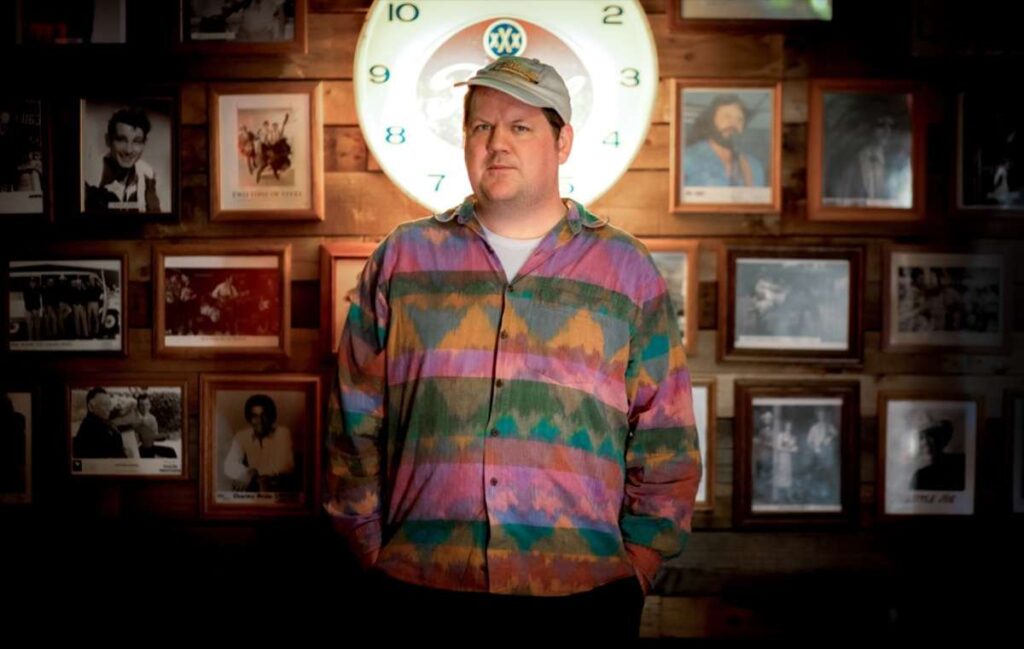
This is a partially seated show. Over six unique and very personal studio albums, Jake Xerxes Fussell has found his musical future by reimagining, reorchestrating, and reunifying the past. By combining different traditional music sources in a completely original way, he routinely creates fresh works of art that are at once rooted in tradition and ingeniously modern. “It starts at a very intuitive level, it has to be natural in order for it to succeed,” Fussell explains. “I’ll really get into a song and feel like I hear something in there like a melody, a particular phrase, a chorus, and I feel like ‘I could use that’ and one thing leads to another.” It’s Fussell’s inspired intuition that remakes a classic American folk song like “Rock Island Line”—the first single from his latest album The Old Beloved Path—into something that still rings with inherent wisdom but is completely his own. An accomplished fingerpicker on guitar who’s also blessed with a smooth baritone voice that effortlessly exudes the gravitas his creations demand, he says that in the past he might have avoided a song like “Rock Island Line” because it seemed too commonplace to him—too many folksingers had already done it. This touchstone of the well-known fabric of American folk music, “didn’t really need my interpretation.” But after listening again to the recording of this train song by British skiffler Lonnie Donegan , something about the incantation of the chorus struck a chord. In typical Fussell fashion, his remarkable ear and intellect took over. “The song struck me as very beautiful, but just singing the verses wasn’t working for me. I couldn’t relate,” he says looking back. “So, I wound up putting it together with an old English nursery rhyme that I had been kicking around. “Wire, briar, limberlock /How many geese is in our flock?” and “If you want to ride you got to ride it like you’re flyin, get your ticket at the station on the Rock Island Line.” Marrying those two things, I felt like something worked, it felt like a song to me.” Prominent artists and documentarians in their own right, Fussell’s father is a folklorist, writer, painter, and photographer and his mother is an innovative fiber artist. Fussell grew up in an extended community devoted to the preservation of traditional cultural pursuits including storytelling, log cabin building, and basketmaking. Imbued with this deep respect for the past as well as an unquenchable intellectual curiosity, he grew up appreciating the beauty in those supposed lost arts and is now privy to all that in a way a lot of his compatriots in Indie music are not. While popular music songwriters like Bob Dylan and Leonard Cohen will always be among his heroes, he calls people who do nothing but source traditional music and play fiddle tunes faithfully as apostles of a “noble pursuit.” “For people in the folk music world, songs are their religion. But traditional music is not a bee stuck in amber. I tend to think of everyone who plays traditional music as being on a spectrum from conservative to wildly creative. I am somebody who tends to sit on the edge of those two worlds. I don’t always present these songs in a historical context. I have to relate to them personally. I approach these songs through my own worldview.” Website · Instagram · Facebook · Spotify
Marian Hill: Act Two: The Tour
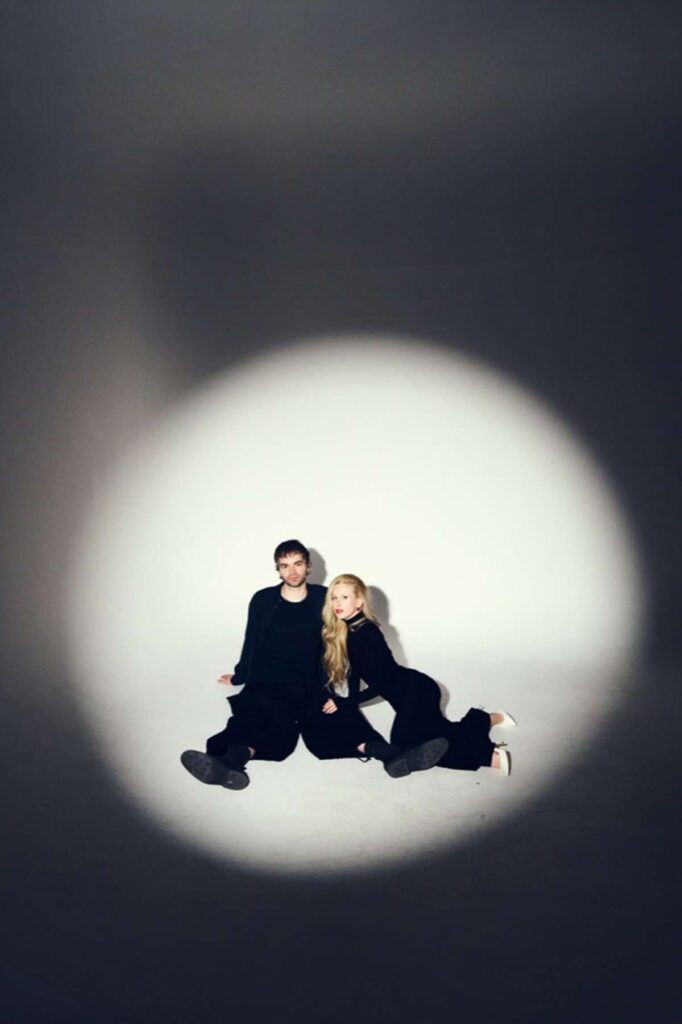
Marian Hill is an American electronic pop duo made up of vocalist Samantha Gongol and producer Jeremy Lloyd. Their sound blends moody electronics, jazz-influenced saxophone, and Gongol’s distinctive vocals into a style that’s sleek, intimate, and hard to categorize — somewhere between R&B, pop, and avant-garde electronic music. They arrived on the scene in 2013 when their single “One Time” went viral on Vine. Before long, their song Got It was in one of the first Today’s Top Hits playlists as well as a Taco Bell commercial, leading them to sign with Republic Records. They embarked on their first national tour and a radio campaign followed, peaking with One Time at #38 on US Alt Radio. Their big breakthrough came a few years later when their single “Down” was featured in Apple’s AirPods ad, pairing Gongol’s smoky vocals and a sparse piano line with a stuttering electronic beat — making it one of the most Shazamed songs in the country. The track reached No. 21 on the Billboard Hot 100 and was recently certified double platinum. Their music has been in major commercials for All State, Calvin Klein, Hyundai and Fox Sports and seen on TV in HBO’s Industry, Lucifer, Santa Clarita Diet, So You Think You Can Dance and Dancing with the Stars. They’ve performed at Coachella, Lollapalooza, Bonaroo, Electric Forest, Firefly, Governor’s Ball, and more and played to sold out crowds abroad in China, Korea, Japan and all over Europe. Television performances include Good Morning America, Late Night with Jimmy Fallon, Conan, The Late Late Show with James Corden and internationally on Jools Holland and Che Temp Che Fa. Website · Facebook · Instagram · TikTok · YouTube · Spotify
Holler Choir
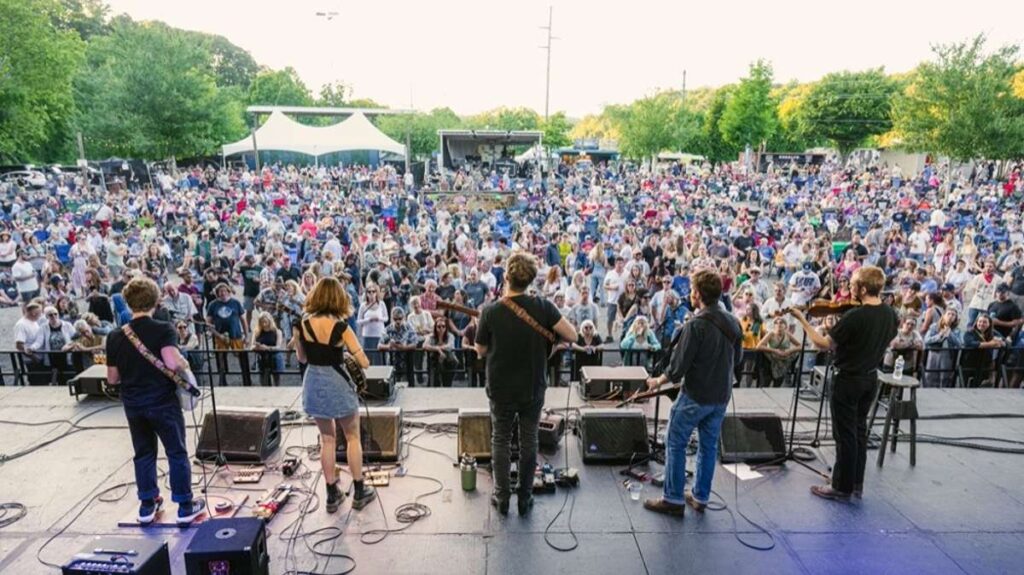
Led by multi-instrumentalists and award winning songwriters Clint Roberts and Jackson Grimm, Asheville’s Holler Choir blends a distinctly Appalachian indie-pop sound with haunting harmonies, stirring string arrangements, and heart-wrenching ballads—yet rarely conforms to a single genre. Rooted in Old-time, Americana, and Bluegrass traditions, Holler Choir’s sound is ultimately singular by design. Alongside Roberts and Grimm, a rotating cast of gifted Appalachian musicians contributes to the group’s recordings and electrifying live performances. Holler Choir began during the recording of Roberts’s 2022 solo EP, Mountain Air, at Asheville’s Crossroads Studios. That fortuitous gathering of roots musicians proved to be the genesis of an unmistakable new sound. Produced by Grammy Award–winning multi-instrumentalist Michael Ashworth of The Steep Canyon Rangers, the five-song EP lit the fuse, setting Holler Choir on a path to delight audiences throughout the Southeast and beyond. Much of that same collective reunited to record the band’s 2024 debut full-length album, Songs Before They Write Themselves, tracked in the historic church room at Echo Mountain Studios and engineered by Jason Richmond (Avett Brothers, Rising Appalachia). Grimm officially joined the fold in the summer of 2024 after being invited to collaborate on Holler Choir’s Susto Stringband project, which reinterprets the indie-rock Americana songwriting of Susto’s Justin Osborne through old-time and bluegrass lenses. As Roberts and Grimm continued working together, Grimm’s sharp lyrical wit and wide-ranging multi-instrumentalism quickly proved to be a powerful addition to the band’s creative core. Holler Choir is slated to release its first collaborative record under this lineup in late 2026 or early 2027. Website · Facebook · Spotify · Instagram
Crank It Loud Presents Emo Night Karaoke

Emo Night Karaoke is headlining Cats Cradle in Carrboro, NC featuring you on lead vocals! The band features seasoned professional musicians who play warped tour & when we were young festival and are in real touring bands. We’ll be playing your favorite songs from back in the day, live on stage with YOU as the lead singer! With a setlist of 100+ pop punk and emo songs, full concert production, and visuals, this is a can’t-miss event. Song sign-ups are first come, first served at the show, with lyrics scrolling on multiple TVs, and the band will even help with backup vocals if needed. Check out www.emonightkaraoke.com for the latest updates and setlists. TikTok · Instagram · Facebook
Eliza McLamb
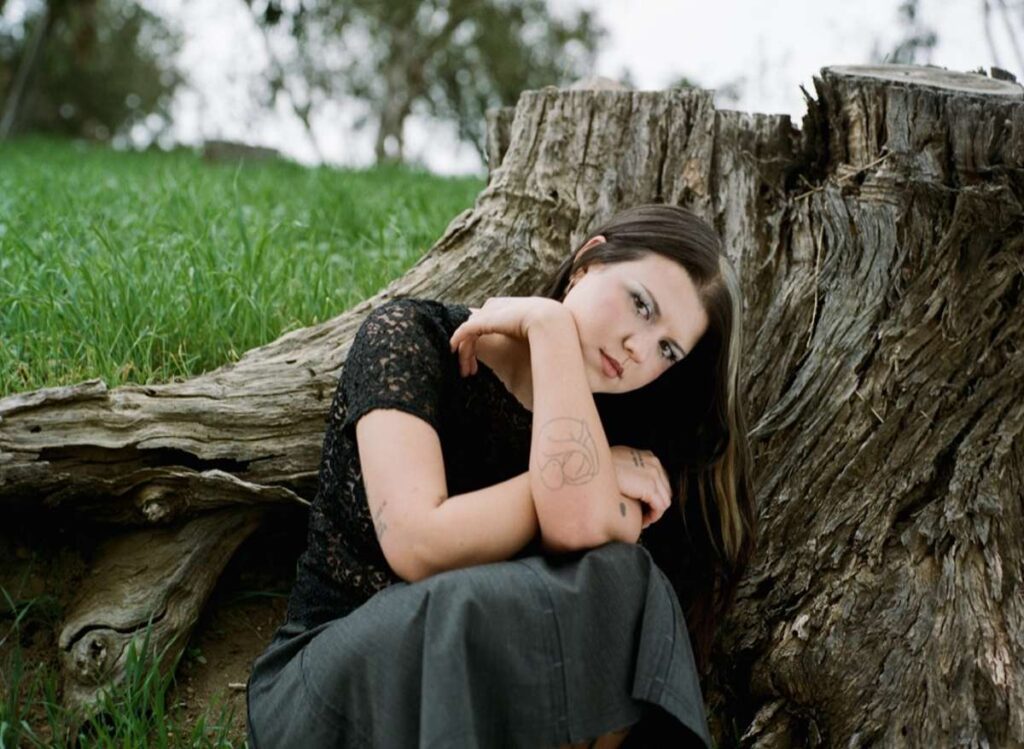
Eliza McLamb’s warm, intimate songs weave through confessional folk and clamorous alt-rock in a way that recalls contemporary indie heroes like Julia Jacklin and Lucy Dacus. After building a grassroots fan base through social media, the North Carolina native released her debut EP, Salt Circle, in 2022. She soon joined the roster of Royal Mountain Records, which released her full-length debut, Going Through It, in 2024. Her heightened success led to McLamb leaving Binchtopia, the popular podcast she had co-hosted since 2021, to focus exclusively on her music career. Her sophomore album, Good Story, appeared in 2025, following her first headlining tour. Instagram · Facebook · Youtube · Spotify · Bandcamp
Julien Baker
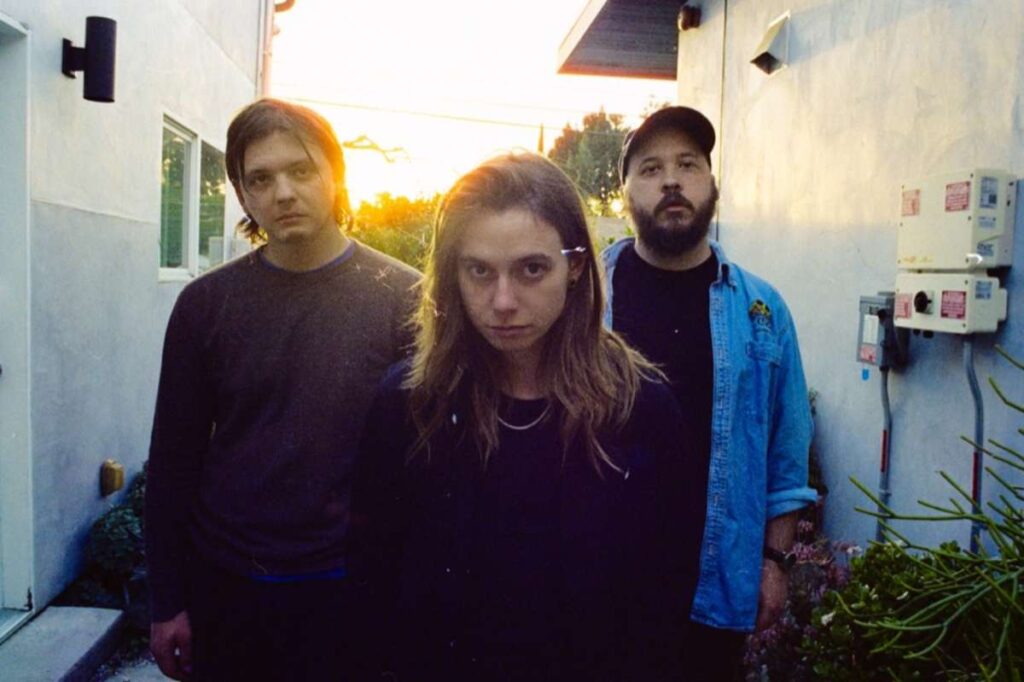
A portion of the proceeds from Julien Baker’s tour will go to TAC and their work supporting LGBTQ Youth across the country. Julien Baker returns for a special run of intimate shows this fall. This tour marks her first solo performances since 2024. Website · Instagram · Facebook · YouTube · Spotify